Artist · Cuban
Agustín Cárdenas
1927–2001
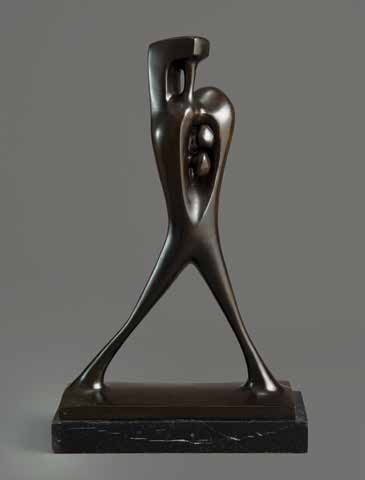
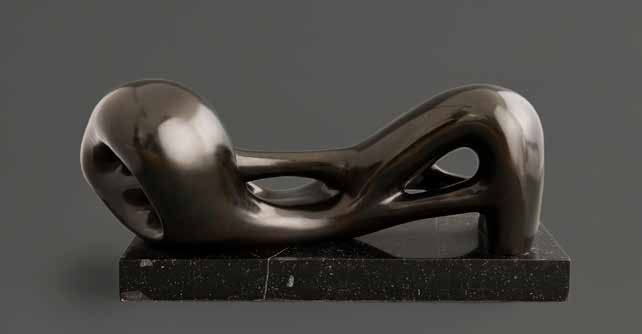
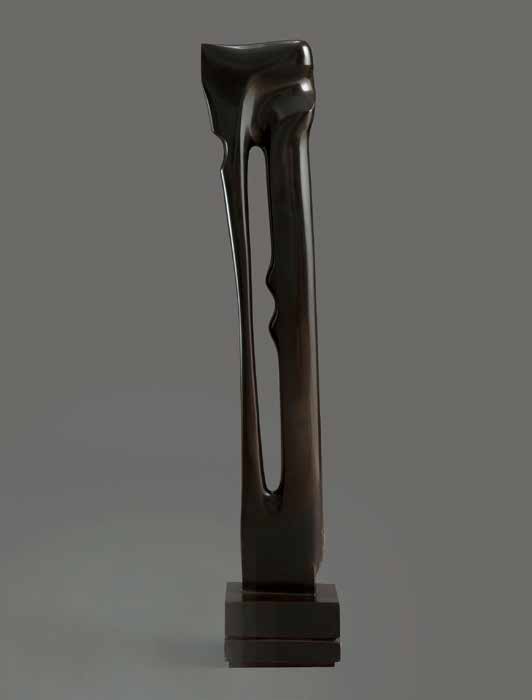
Agustín Cárdenas Alfonso was a Cuban sculptor who was active in the Surrealist movement in Paris. He was a descendant of slaves from Senegal and the Congo; his sculpture was influenced by Brancusi, Henry Moore, and Jean Arp. Poet André Breton said of his artistic hand that it was “efficient as a dragonfly.”
Cárdenas studied under Juan José Sicre, and from 1943 to 1949 at Escuela Nacional de Bellas Artes “San Alejandro” in Havana.
He was member of Asociación de Grabadores de Cuba (AGC) from 1951 to 1955, and of the creative group Los Once from 1953 to 1955. Cárdenas’ work was exhibited several times in 1952 “Pintura Ávila Escultura Cárdenas” at Palacio de los Trabajadores in Havana, and in 1955 he exhibited a selection of his pieces in “Agustín Cárdenas: 20 esculturas” at the Museo Nacional de Bellas Artes de La Habana.
He settled in Paris in 1955 and in 1957 integrated himself in the Surrealist movement there. His work incorporated aspects of his African heritage and of Dogon totems.
Cárdenas has been awarded with several distinctions during his life, including Segundo Premio VI Salón Nacional de Pintura y Escultura, Salones del Capitolio Nacional, Havana, by the Cuban government (1953), the Silver Medal XXXVII, Salón de Bellas Artes, Círculo de Bellas Artes, Havana (1955), the Ordre des Arts et des Lettres in France and, the Fujisankey Biennal Prize at the Hakone Open Air Museum, Fujisankey, Japan (1976).
Also, in 1995 he received Premio Nacional de Artes Plásticas by the Cuban Ministry of Culture.
Collection
Works in the Collection